
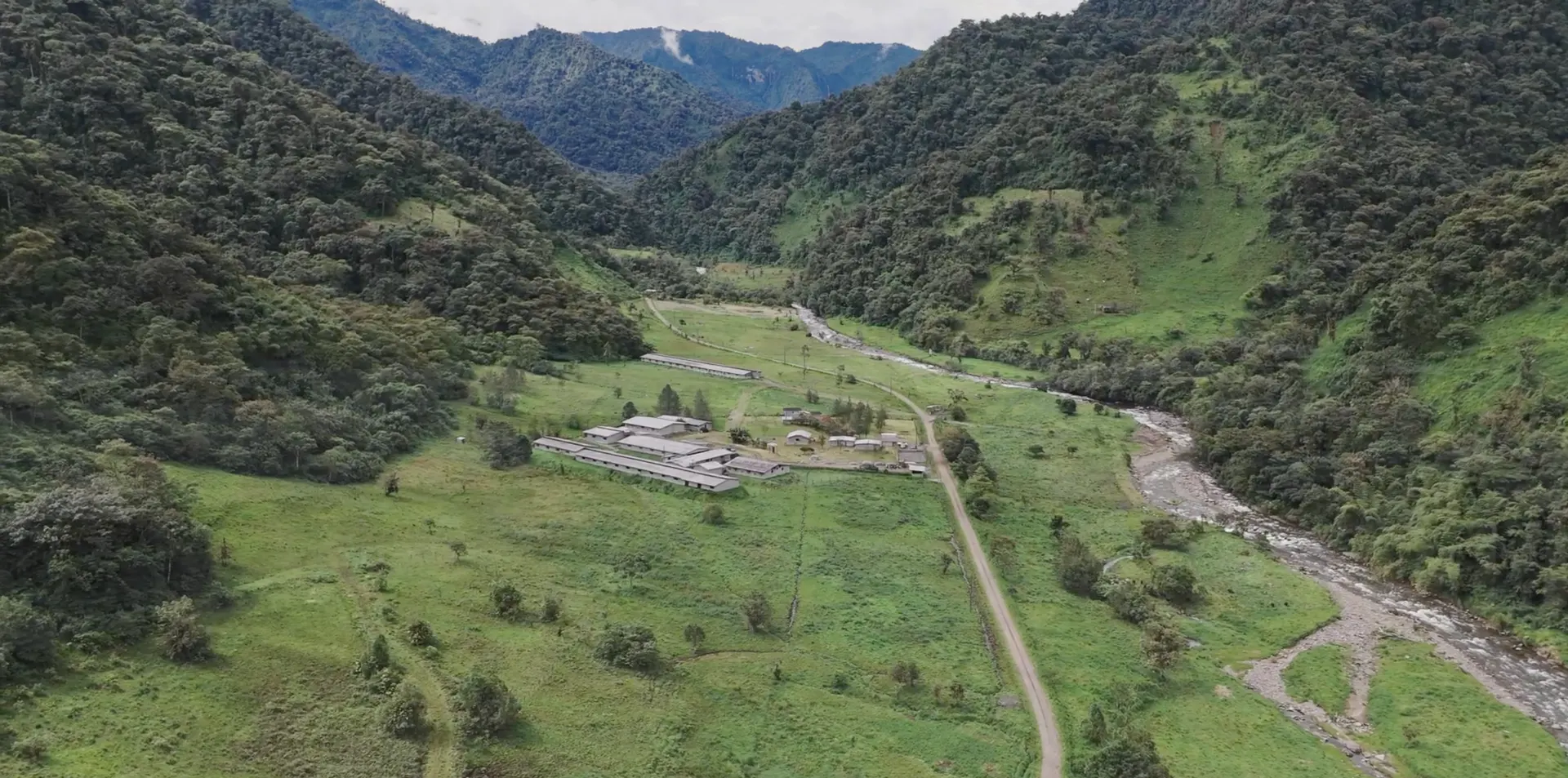
Our Farms: Lago Agrio and Borja
In Lago Agrio we produce tilapia, paiche and fattening pigs; at the Borja nucleus farm we specialise in pig breeding, across 282 hectares in total, 55 of them in production.
Agroindustrias González produces on two farms in the Ecuadorian Amazon: Lago Agrio and the Borja nucleus farm, in Quijos canton, Napo province. Fish and pig farming coexist there across more than 30 years of the company’s history, from the tilapia farming started in 1995 to the Topigs Norsvin pig genetics, a brand for which the company has been the exclusive representative in Ecuador since 2005.
What Does Each of the Group’s Farms Produce, Lago Agrio and Borja?
In Lago Agrio the company farms tilapia, paiche and fattening pigs. At Borja it specialises in pig breeding. In 2015 the company rebuilt and expanded its pig infrastructure, adopting European animal welfare standards. The group was born in Lago Agrio: there, in 1995, a young engineer from Zamora began industrialising his farm with tilapia farming, and in 2000 the company imported high genetic quality tilapia from the United States; Borja followed in 2010, with the expansion of the pig genetics unit, a history detailed on the about us page.
How Much of Each Farm’s Land Is in Production?
In Lago Agrio we have 110 hectares, of which 15 are given over to producing pigs, fish, sugar cane and pasture. In Borja we have 172 hectares, with 40 given over to production. In total, our operations add up to 282 hectares: 55 given over to production and 227 kept outside the productive areas.
The conservation areas are kept free of productive activity, letting the forest regenerate naturally and helping to preserve the biodiversity of the setting. Since our beginnings in the Amazon, conserving these spaces has been part of how we produce and of our responsibility towards the territory.
What Wildlife Is Seen in the Farms’ Conserved Forests?
In the forests surrounding our production areas in Lago Agrio and Borja, species such as spectacled bears, tapirs, capybaras, pacas, various species of monkey and countless birds can be seen.
Conserving these spaces keeps a natural setting in which tree species such as cedars, guayacanes, balsas, guarumos and chilcas go on growing, while wildlife finds shelter and food.
We keep these forests outside the productive areas, with no felling of trees and no roads opened to extend the production zones. In this way, production and conservation are part of a single approach to responsible management of the Amazon territory.
Why Does Fish Farming Replace Fishing with Barbasco or Dynamite?
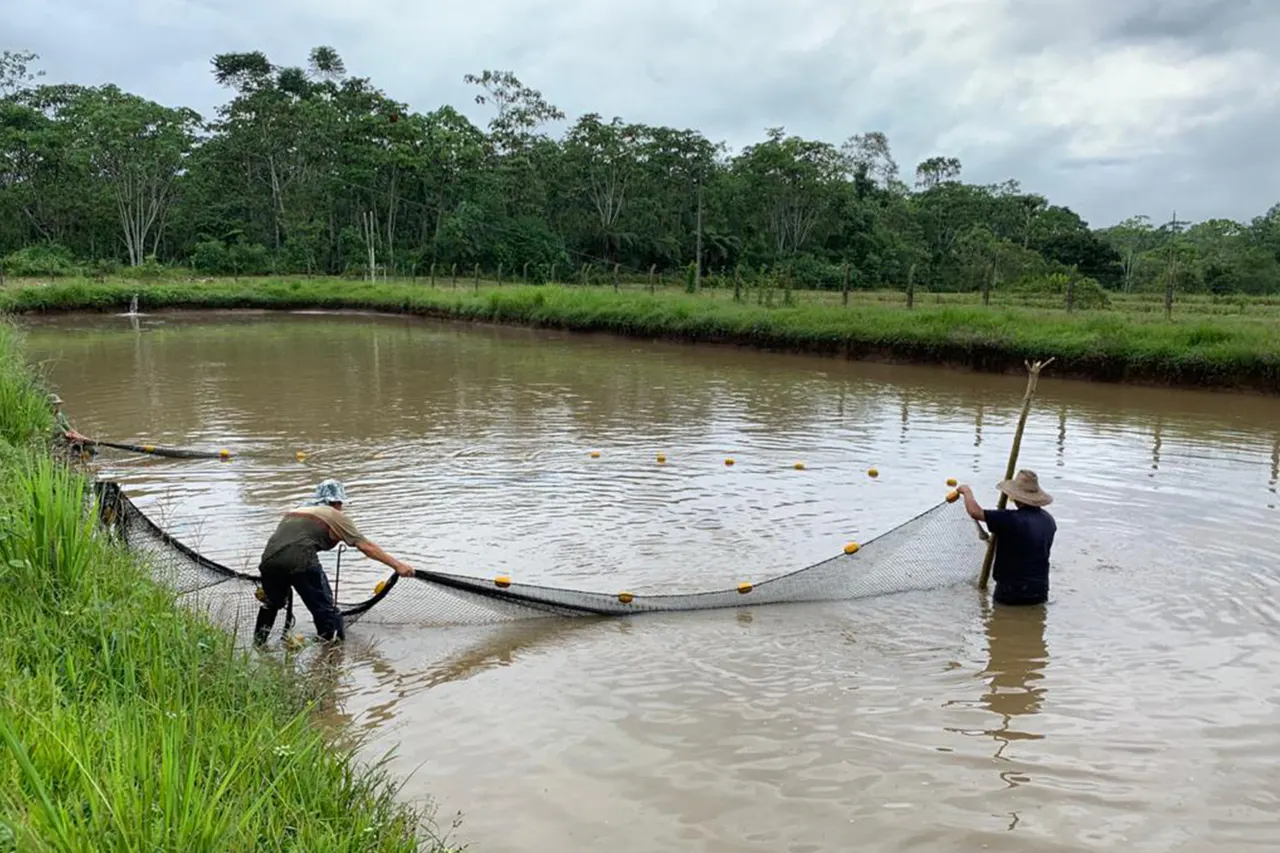
Tilapia and paiche farming in Lago Agrio is presented as a historical alternative to aggressive practices such as fishing with barbasco or dynamite. By raising the fish in ponds within the farm, the company avoids contaminating rivers with chemicals or explosives. The company also preserves the Amazon forests surrounding those fish ponds and its pig farms, as a natural barrier since its beginnings. This activity is part of the same history that, in 2000, led the company to train more than 2,000 people in tilapia handling, in partnership with the Nueva Loja prefecture.
How Do We Work to Reduce Antibiotic Use?
We work under a production model that prioritises prevention, biosecurity, animal welfare and facilities designed for the proper handling of our animals, with the aim of keeping them healthy and reducing the need for antibiotic treatments.
How Does the Multi-Stage Biodigester Work on the Farms?
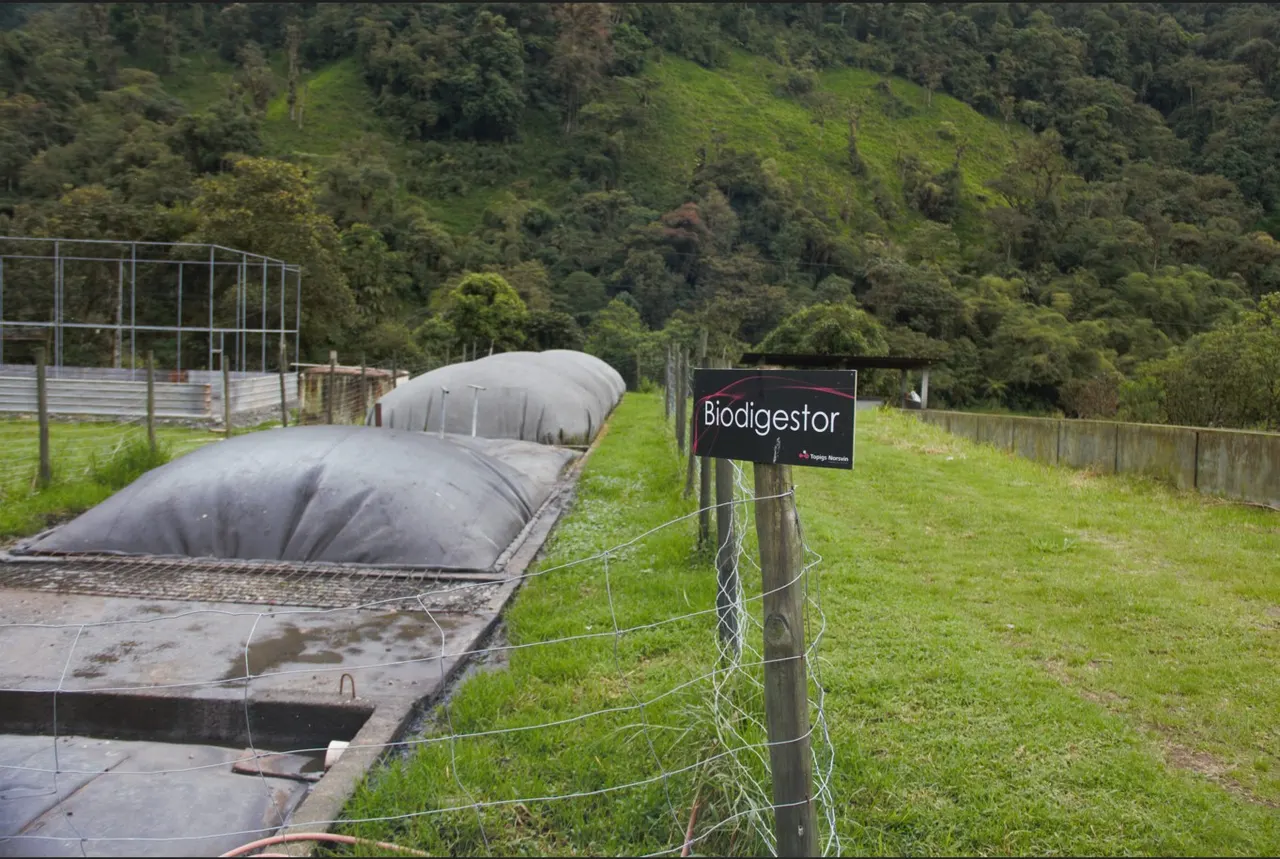
The manure generated by Agroindustrias González’s pigs is treated in a multi-stage anaerobic biodigester: a closed pool where bacteria break down waste without contact with air for 15 days. The process releases methane, which the company uses to heat farrowing units and piglets, and produces biol, a liquid organic fertiliser. Daily biol production ranges between 5 and 10 cubic metres, and each kilo of pork produced generates between 3 and 4 kilos of manure that enters this system.
What Is Done with the Biol and How Is River Pollution Avoided?
The biol produced by the biodigester is donated to neighbouring farmers, who use it on their paddocks and gardens. By keeping the manure within this closed treatment circuit, the company avoids pig waste seeping into the Amazon rivers, according to the company itself. The first biodigester began as a school project by Jorge González, general manager and creator of the system, and was refined over the years into the multi-stage biodigester operating today. Pork cuts raised in Borja under the Welfair Certification also supply Market d’Lago shops.
What Certification Distinguishes the Borja Pig Breeding Farm?
The Borja pig farm, in Napo province, was the first in Latin America and in Ecuador to obtain the Welfair Certification, which audits four principles and twelve specific criteria: good feeding, good housing, good health and appropriate behaviour. The first certification process took place on 5 May 2023, and that certification was renewed on 1 August 2025. The company presents the Welfair Certification as a guarantee of compliance with European animal welfare standards. The Borja farm covers 172 hectares in total, 40 of them in production.
How Do These Farms Fit into the Group’s Family of Companies?
Lago Agrio is the farm where the company was born in 1995, and together with the Borja nucleus farm, added in 2010, it now sustains the production of tilapia, paiche and fattening pigs, as well as the nucleus farm’s pig breeding. Agroindustrias González presents itself as the origin of a family of companies that grow with a single purpose: to produce with responsibility, quality and commitment to the territory. In Lago Agrio, 15 of the farm’s 110 hectares are in production; in Borja, 40 of its 172. Together the two farms cover 282 hectares, 55 of them in production. Much of the company’s more than 30 years of history in the Ecuadorian Amazon rests on those two farms.
What happens on the farms
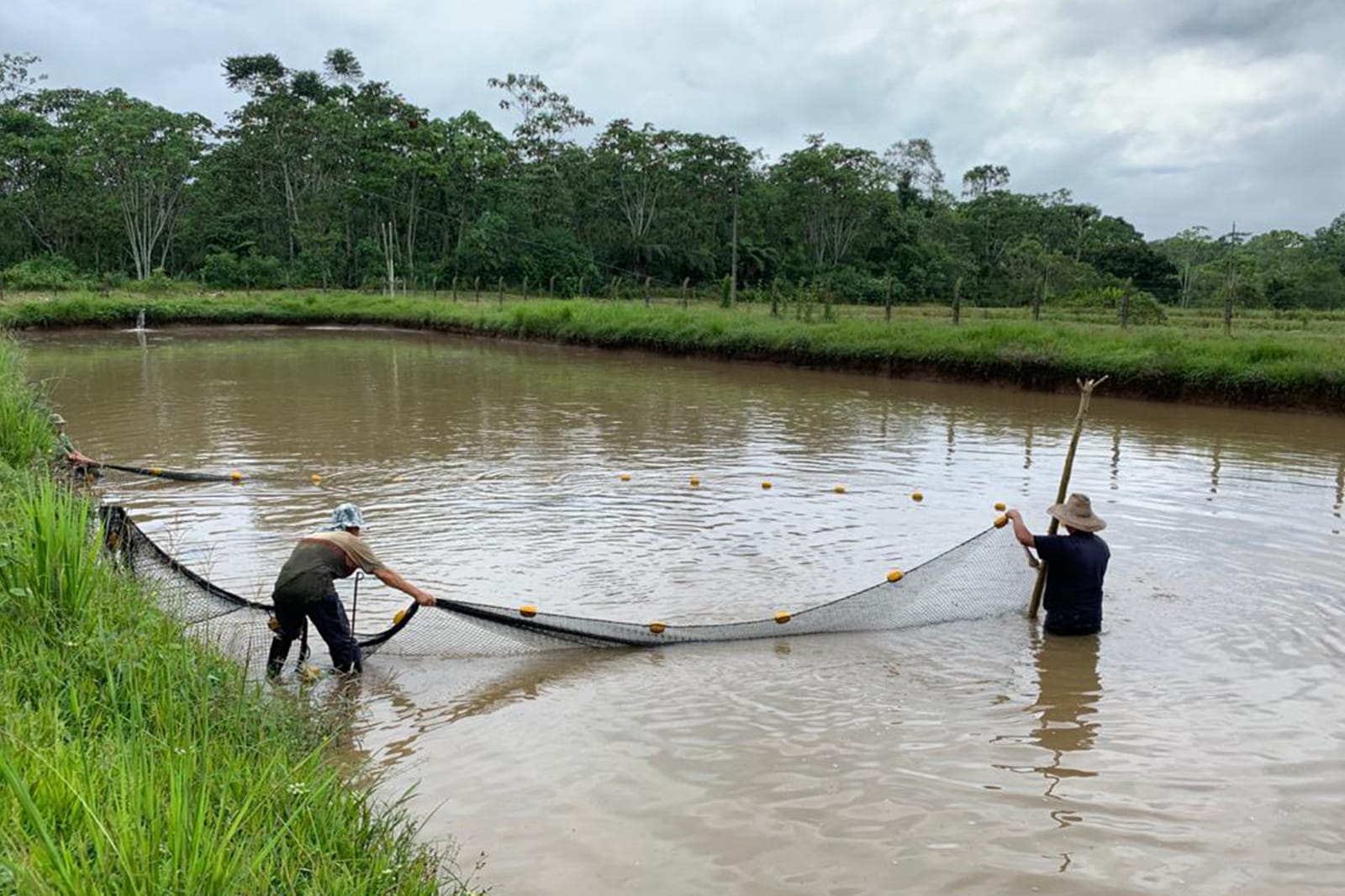
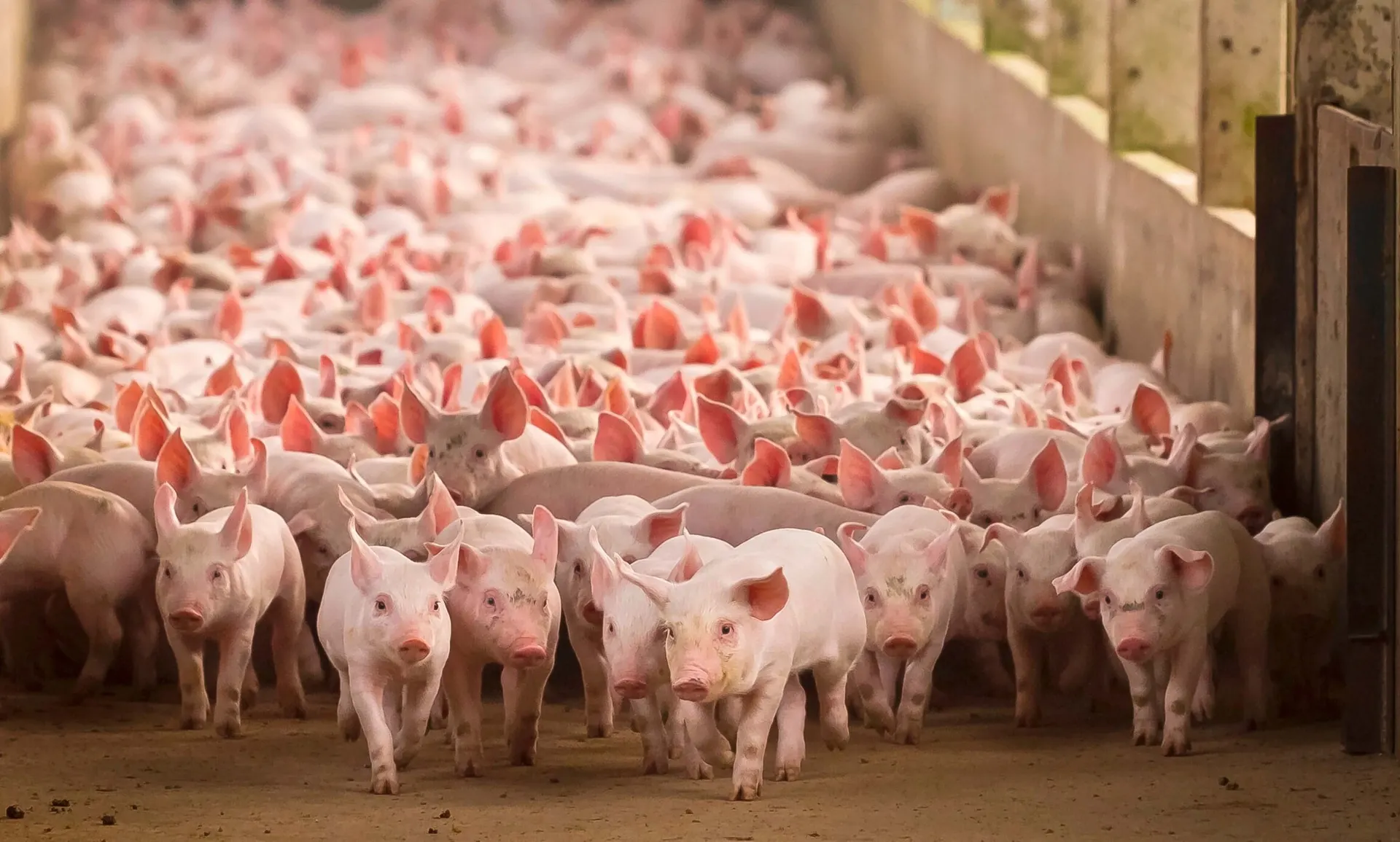
Lago Agrio produces tilapia, paiche and finishing pigs. 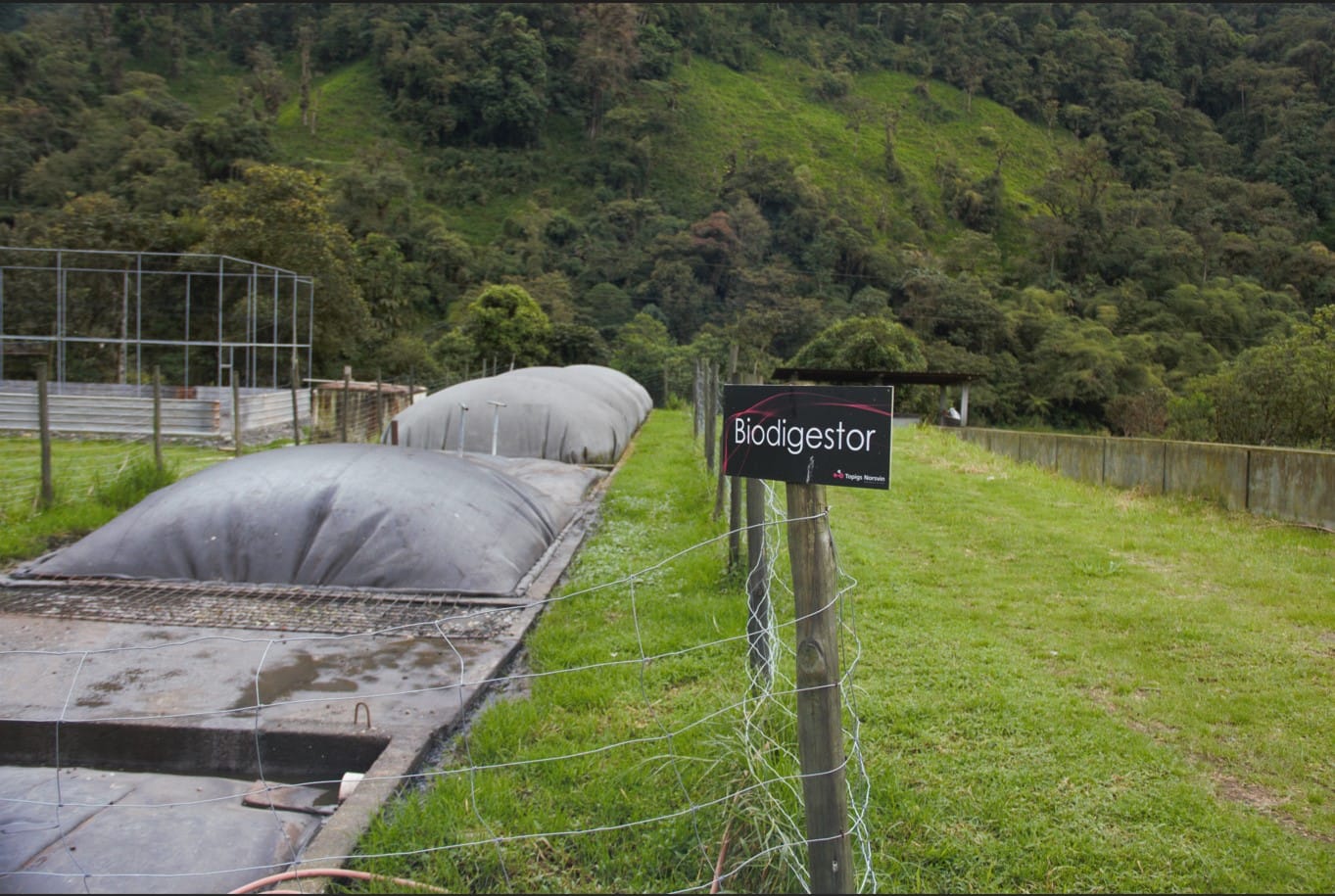
The biodigester produces between 5 and 10 cubic metres of biol a day. 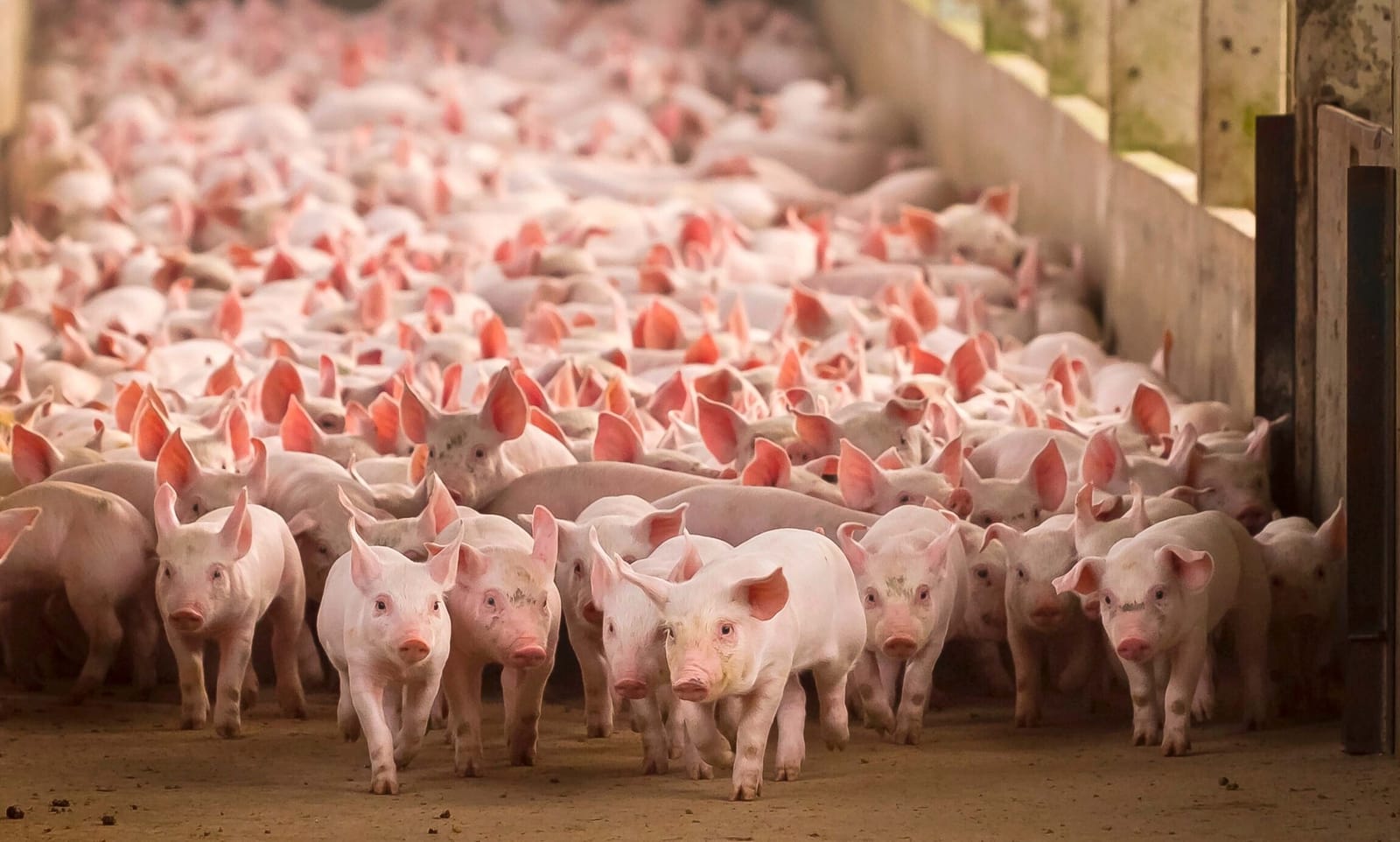
At the Borja nucleus, the work centres on pig breeding. 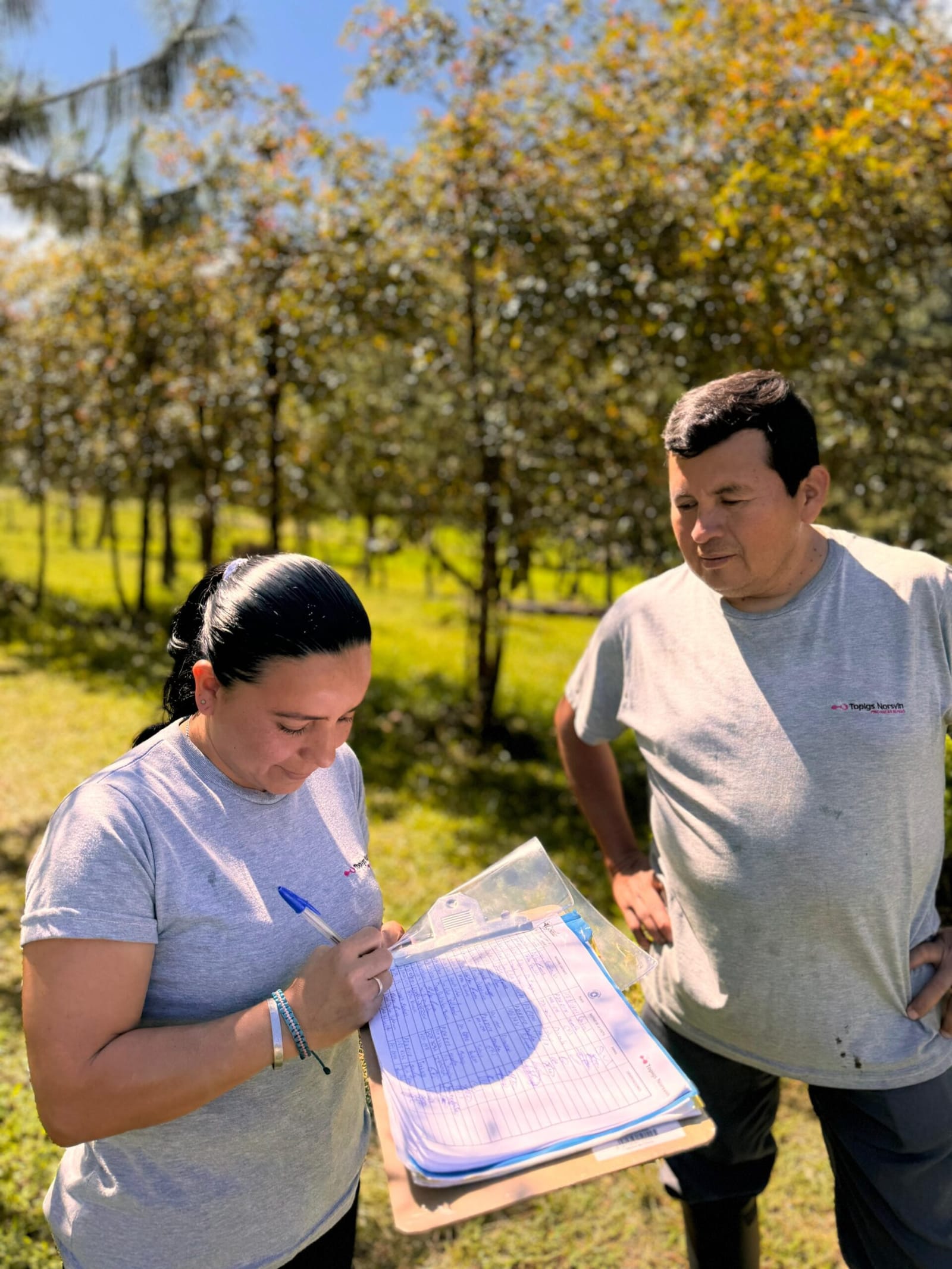
The productive areas take up 55 of the 282 hectares of the two farms.
What we farm, and what we leave standing
- In production at Lago Agrio
- 15 hectares
- In production at Borja
- 40 hectares
- Not in production at Lago Agrio
- 95 hectares
- Not in production at Borja
- 132 hectares
Areas confirmed by the company on 4 August 2026: 172 hectares at Borja and 110 at Lago Agrio, 55 of them in production. The company states it keeps more than 76 % of its land under conservation.